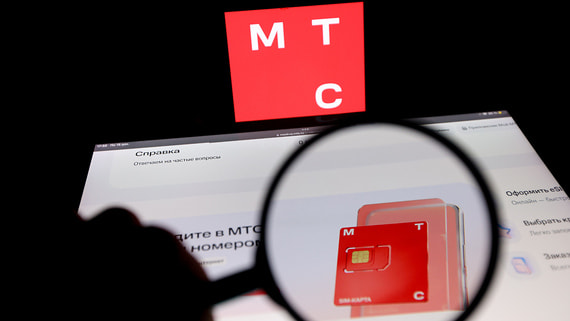

Russia’s major telecommunications companies are preparing to integrate digital ruble payments into their service offerings, marking a significant milestone in the country’s ongoing efforts to establish its central bank digital currency (CBDC) as a mainstream payment method. The initiative, which brings together the nation’s leading cellular providers, represents one of the first large-scale consumer applications for the digital ruble since its pilot phase began. Industry analysts and financial experts, however, caution that transaction volumes through this new payment channel are likely to remain minimal over the next couple of years as consumers and businesses adapt to the emerging technology.
The move by mobile operators to accept digital rubles comes as Russia’s Central Bank continues to expand the scope of its CBDC pilot program, which initially launched in August 2023 with a limited number of participants. The digital ruble represents the third form of the Russian national currency, alongside physical cash and traditional bank deposits, and is designed to provide citizens with an alternative payment method that operates on a centralized blockchain-like platform controlled by the Bank of Russia. Unlike cryptocurrencies such as Bitcoin, the digital ruble maintains a stable value pegged directly to the traditional ruble and is fully backed by the central bank’s authority.
Implementation Timeline and Technical Infrastructure
The technical implementation of digital ruble payments within cellular billing systems requires significant infrastructure upgrades from telecommunications providers. Mobile operators must integrate their existing payment processing systems with the Central Bank’s digital ruble platform, ensuring secure and seamless transactions for customers who wish to pay their monthly bills using the new currency format. This integration process involves establishing secure API connections, updating customer-facing mobile applications, and training customer service personnel to handle inquiries related to digital ruble transactions. Industry sources indicate that major operators including MTS, MegaFon, Beeline, and Tele2 are all at various stages of preparing their systems for the new payment option.
The Central Bank of Russia has been methodically expanding the digital ruble pilot program throughout 2024 and into 2025, gradually increasing both the number of participating banks and the types of transactions permitted. Initially limited to simple person-to-person transfers and basic retail purchases, the program has progressively expanded to include more complex payment scenarios. The addition of recurring utility and telecommunications payments represents a logical next step in demonstrating the digital currency’s practical utility for everyday consumer needs. Russian authorities have expressed ambitious goals for digital ruble adoption, viewing it as a tool to modernize the financial system and potentially reduce transaction costs across the economy.
Market Outlook and Expert Analysis
Financial technology experts and industry analysts remain cautiously optimistic but realistic about the near-term adoption prospects for digital ruble payments in the telecommunications sector. Several factors are expected to limit initial uptake, including the relatively small number of consumers currently enrolled in the digital ruble pilot program, the learning curve associated with new payment technologies, and the entrenched habits of consumers who are comfortable with existing payment methods such as bank cards and mobile wallets. Additionally, the infrastructure required to support widespread digital ruble usage is still being developed, with many retail banks only beginning to offer digital ruble wallet services to their customers.
The broader context of Russia’s push toward a central bank digital currency includes both domestic economic considerations and geopolitical factors. Internationally, Russia has explored the potential use of CBDCs for cross-border payments that could potentially bypass Western financial infrastructure and sanctions. Domestically, proponents argue that the digital ruble could enhance financial inclusion, reduce payment processing costs for businesses, and provide the government with better tools to track economic activity and combat financial crimes. Critics, however, have raised concerns about privacy implications and the potential for increased state surveillance of financial transactions. As the telecommunications industry becomes one of the first major sectors to embrace digital ruble payments, its experience will likely provide valuable insights for other industries considering similar implementations.
Expert Opinion: The integration of digital ruble payments by mobile operators represents a strategic testing ground for Russia’s CBDC ambitions, though meaningful adoption will likely take three to five years rather than two. The telecommunications sector’s regular billing cycles and tech-savvy customer base make it an ideal pilot environment, but success will ultimately depend on whether the Central Bank can demonstrate clear consumer benefits over existing payment methods while addressing persistent privacy concerns.