
More stories
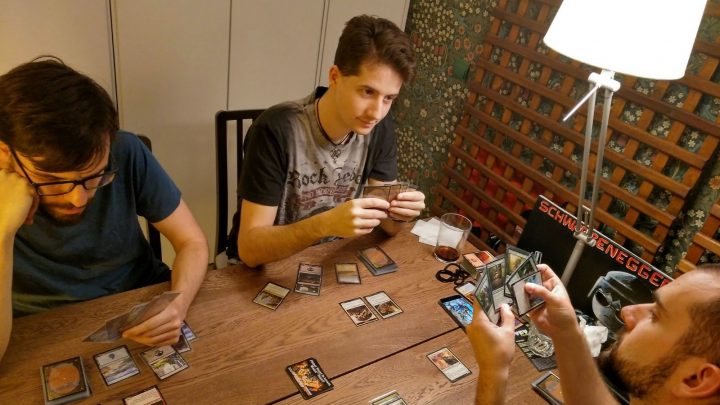
Card Game Fundamentals: Mana Curve, Card Advantage and Tempo
The three ideas behind almost every card game decision: mana curve, card advantage and tempo, with worked examples from Magic and Hearthstone.
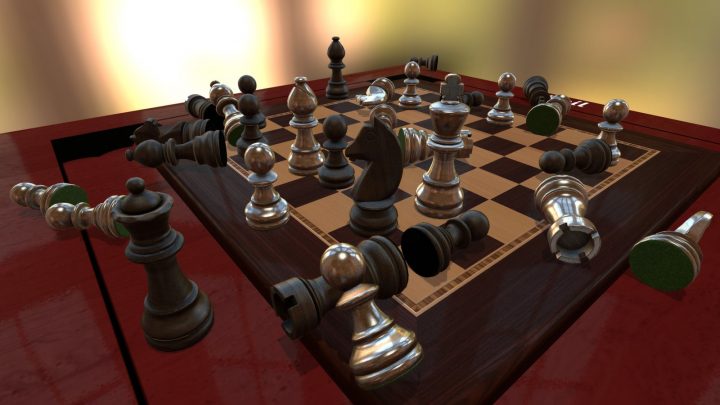
Tabletop Simulator Explained: Physics Sandbox, Workshop Mods and Official DLC
What Tabletop Simulator is, how hosting and Workshop mods work, official DLC, Lua scripting basics, the 2.0 roadmap as of 2026, and respecting publishers' rights.

Board Game Arena Explained: How to Play Board Games in Your Browser
How Board Game Arena works: free and premium access, real-time vs turn-based tables, Elo and Arena mode, licensed games, tutorials and table etiquette.
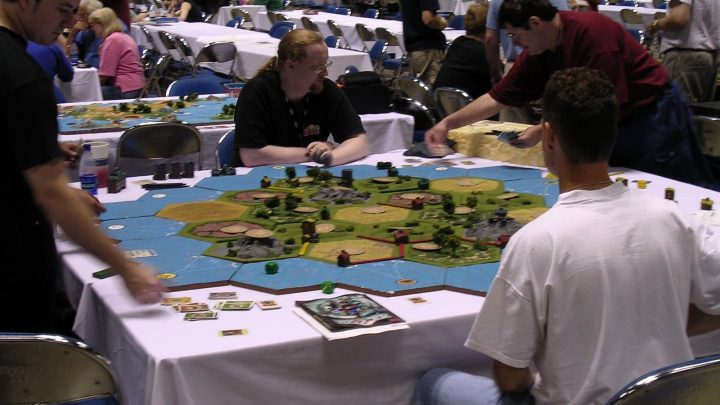
The Best Digital Board Game Adaptations and What Makes Them Work
Well-regarded official board game adaptations grouped by weight and player count, plus the criteria that separate a great digital port from a weak one.
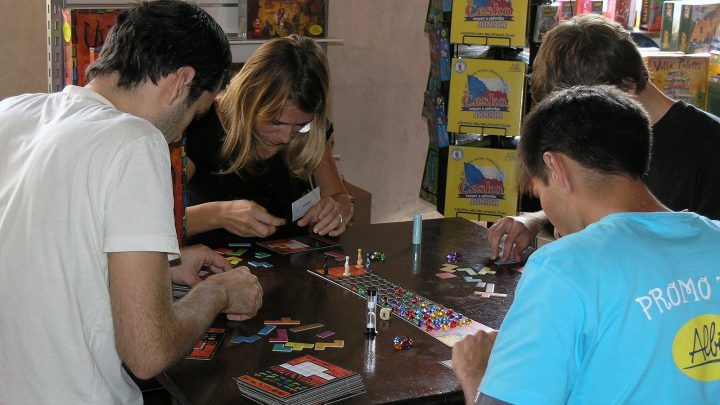
Types of Puzzle Games: A Field Guide from Falling Blocks to Rule-Breakers
A field guide to puzzle game subgenres, from falling blocks and match-3 to logic grids, box-pushing, physics, spatial, programming and rule-breaking puzzles.
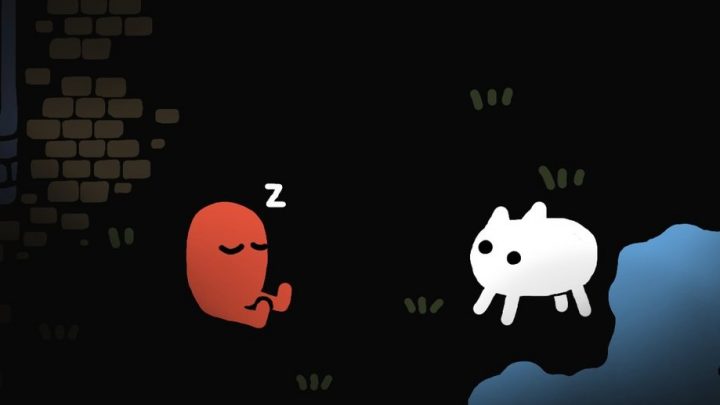
Baba Is You Explained: Puzzles Where You Rewrite the Rules
How Baba Is You works: nouns, IS and properties like YOU, WIN, STOP and PUSH, the tricks the game teaches, and how to think through levels without spoilers.
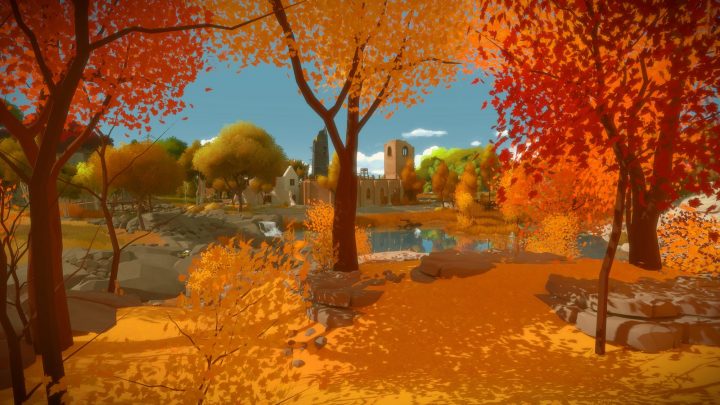
The Witness Without Spoilers: How to Approach Jonathan Blow’s Island of Puzzles
A spoiler-free guide to The Witness: how its line puzzles work, how the island teaches without words, and how to get unstuck without looking up answers.

Portal and Portal 2 Explained: How the Portal Gun Puzzles Work
How Portal's puzzles work: linked portals, momentum and flinging, portal surfaces, cubes, buttons, lasers, light bridges, funnels and gels, and how Valve teaches it all.