The Best Digital Board Game Adaptations and What Makes Them Work
Well-regarded official board game adaptations grouped by weight and player count, plus the criteria that separate a great digital port from a weak one.
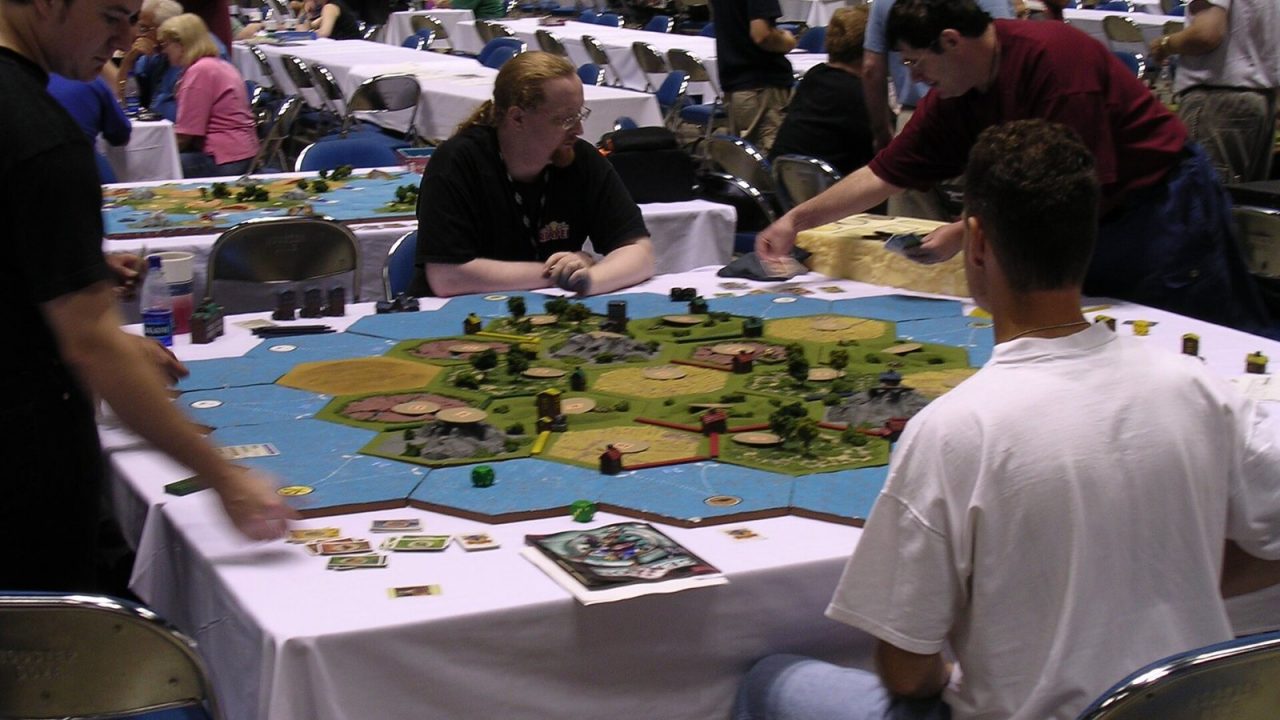
A board game that works beautifully on a kitchen table can fall apart on a screen. Cards become too small to read, the rules engine misses an edge case, the AI makes baffling moves, or the online lobby is empty. Yet the best adaptations do something the physical version cannot: they handle setup and bookkeeping, enforce every rule, teach the game step by step and let you play a long strategy game with a friend on another continent, one move per day.
This guide looks at what makes a digital adaptation succeed and then walks through a set of well-regarded official versions, grouped by how heavy they are and how many people they suit. It focuses on officially licensed versions rather than fan implementations, and it avoids prices, which change too often to be useful.
What Separates a Great Adaptation from a Weak One
Before naming games, it helps to have a checklist. These five criteria come up again and again when players compare digital editions.
Rules enforcement
The single biggest benefit of a digital version is that it knows the rules. It will not let you place a worker in an illegal spot, forget an end-of-round bonus or miscount a score track. For heavy games, this alone can turn a two-hour rules argument into a smooth evening. The flip side is that bugs in rules logic are more damaging than in most video games, because players expect the program to be the final authority.
Tutorials that actually teach
A rulebook explains everything at once. A good digital tutorial introduces one mechanic, lets you use it, then adds the next. The best adaptations also include tooltips that explain what each card or space does at the moment you hover over it, so you are never forced back to a manual.
AI opponents
Solo players depend on the computer opponents. Strong adaptations offer several difficulty levels, play reasonably quickly and do not cheat with hidden information. Weak AI is one of the most common complaints in reviews of otherwise solid ports.
Asynchronous play
Async, or turn-based online play, lets each player take a turn whenever they have a moment, with games stretching over days. It suits busy adults and long strategy games especially well, and it is the feature that keeps many digital board games alive years after release.
Interface and readability
Board games are dense with information. A good interface makes the important parts visible at a glance, offers zoom and log views, and works on the screen sizes the game ships on. A layout designed for a large monitor can feel cramped on a phone, and vice versa.
Light and Gateway Games
Gateway games are short, easy to explain and ideal for introducing new players. Their digital versions are often the most polished, because publishers expect a broad audience.
Ticket to Ride
Alan R. Moon’s route-building game, published by Days of Wonder in 2004, has had digital versions for many years. The current version for PC was developed by Marmalade Game Studio and launched on Steam in November 2023, with mobile and console versions following in 2024. The core loop of collecting colored train cards and claiming routes translates naturally to a screen, and the digital version handles route scoring and longest-path calculations automatically.
Carcassonne
Klaus-Jürgen Wrede’s tile-laying classic from 2000 has been adapted many times. The best-known modern edition is Carcassonne: Tiles & Tactics, released in 2017 by Asmodee Digital, whose digital publishing has since continued under the Twin Sails Interactive name. Digital Carcassonne shines at the part new players find awkward: it highlights every legal placement for a tile and counts farm and city scores for you.
Both games are good choices for mixed groups where some players have never touched a modern board game, and both work well in short online sessions.
Medium-Weight Engine Builders
Engine builders ask you to assemble a set of cards or abilities that produce more and more resources as the game goes on. They involve plenty of small upkeep tasks, which makes them ideal candidates for automation.
Wingspan
Elizabeth Hargrave’s bird-themed engine builder was published by Stonemaier Games in 2019. Its digital edition, developed by Monster Couch, arrived on Windows and macOS via Steam in September 2020 and later spread to Nintendo Switch, Xbox, iOS, Android and, in October 2024, PlayStation 4 and 5. The adaptation is widely praised for its presentation, with animated birds and a calm soundtrack, and for removing the fiddly upkeep of food dice and egg placement.
Terraforming Mars
Jacob Fryxelius’s game, published by FryxGames in 2016, is a long engine builder where players fund projects to warm and oxygenate Mars. Asmodee Digital released a digital version in 2018. The board game involves a lot of resource tracking across individual player boards, and the digital version handles all of it, which noticeably shortens play time. With dozens of cards in play, a clear interface is critical, and this is where players most often focus their feedback.
Engine builders also suit solo play, because each player’s progress is fairly independent. That makes AI opponents less of a weak point than in highly interactive games.
Heavy Strategy and Two-Player Duels
Heavy games have the most to gain from digital rules enforcement. Many players who own the physical box rarely get it to the table, and a digital version is often the only realistic way to play regularly.
Through the Ages: A New Story of Civilization
Vlaada Chvátil’s civilization-building game, first published in 2006 and later revised as A New Story of Civilization under Czech Games Edition, has an official digital version that launched on mobile in 2017 and on Steam in 2018. It is frequently singled out as one of the best adaptations of a heavy game, thanks to a thorough tutorial and an interface that keeps a very large amount of information readable.
Twilight Struggle
Ananda Gupta and Jason Matthews’ Cold War card-driven game, published by GMT Games in 2005, received a digital edition developed by Playdek in 2016 for Windows, macOS, iOS and Android. It is a strictly two-player game, which makes async play a natural fit: players can stretch a tense superpower duel over a week of short turns.
Root
Cole Wehrle’s asymmetric woodland war game, published by Leder Games in 2018, became Root: Digital Edition through Dire Wolf Digital in September 2020 on PC, iOS and Android, with a Nintendo Switch version in November 2021. Root is famously hard to teach because every faction plays by different rules. The digital version addresses that by teaching each faction individually and by preventing illegal moves, which makes learning the asymmetric factions much less intimidating.
Gloomhaven
Isaac Childres’ sprawling tactical campaign game, published by Cephalofair Games in 2017, came to PC through Asmodee Digital and Flaming Fowl Studios. It entered early access in July 2019 and was completed in 2021 with its full roster of characters, the campaign and multiplayer. Gloomhaven’s physical setup and monster management are notoriously time-consuming, so the digital version’s automation of enemy behavior and map setup is its main selling point.
Grouping by Player Count and Play Style
Choosing an adaptation depends heavily on who you play with. This table summarizes the titles above.
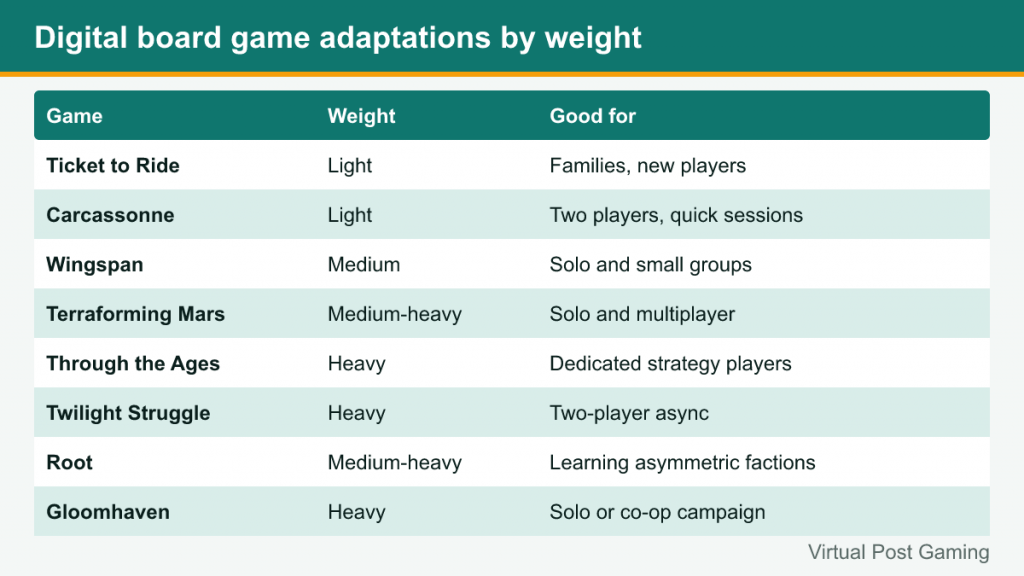
| Game | Weight | Good for | Main digital benefit |
|---|---|---|---|
| Ticket to Ride | Light | Families, new players | Automatic route scoring |
| Carcassonne | Light | Two players, quick sessions | Legal placements highlighted |
| Wingspan | Medium | Solo and small groups | Upkeep automated, calm presentation |
| Terraforming Mars | Medium-heavy | Solo and multiplayer | Resource tracking handled |
| Through the Ages | Heavy | Dedicated strategy players | Complex bookkeeping removed |
| Twilight Struggle | Heavy | Two-player async | Long duels over days |
| Root | Medium-heavy | Learning asymmetric factions | Faction tutorials, rules enforcement |
| Gloomhaven | Heavy | Solo or co-op campaign | Setup and enemy AI automated |
What Digital Versions Lose
Even the best adaptations change the experience. It is worth knowing the trade-offs before replacing a physical copy entirely.
- Table talk and physical presence. Negotiation-heavy and social deduction games lose much of their energy online, even with voice chat.
- Understanding of the rules. When the program does all the bookkeeping, some players never fully learn how scoring works. That can be a problem if you later play the physical version.
- Pace awareness. Digital games can move so quickly that it becomes hard to follow what opponents did. Good adaptations offer action logs and replay controls; weaker ones do not.
- Expansion fragmentation. Expansions are often sold separately, and online matchmaking may be split between players who own different content.
Physical play also has a tactile pleasure that a screen does not replace. Many groups use digital versions to learn a game or play between meetups, then bring the box out when they are together.
Common Mistakes When Starting a Digital Board Game
Skipping the tutorial
Even if you know the board game, the interface has its own conventions. A few minutes in the tutorial usually save frustration later, especially for heavy games.
Jumping into ranked or public matches too early
Experienced online players can be impatient with slow or uncertain moves. Playing a few games against AI first helps you learn both the rules and the interface.
Expecting AI to play like humans
Computer opponents tend to have predictable habits. Beating the hardest AI does not always mean you are ready for strong human players, who adapt to what you do.
Ignoring async etiquette
If you start an async game, take your turns regularly. Long, unexplained delays are the most common source of friction in turn-based online play.
Beyond Official Apps
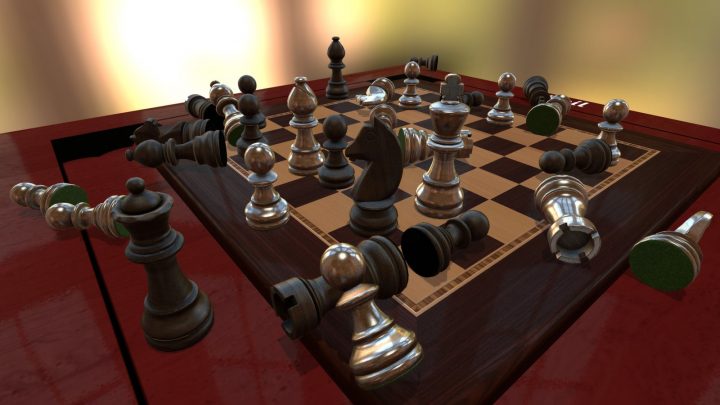
Standalone official apps are not the only route to digital board games. Browser platforms host licensed implementations of hundreds of titles, and physics sandboxes let players recreate games manually without rules enforcement. These options suit different needs, but the official adaptations above remain the most polished way to play a single game in depth.
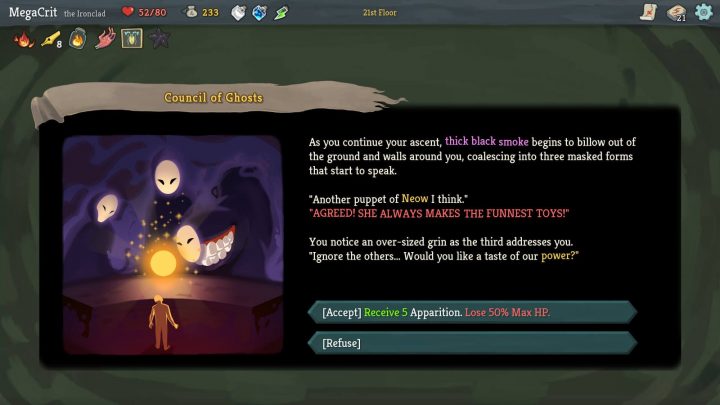
Card-driven board games also share a lot of design DNA with digital card games. If you enjoy the deck-management side of games like Twilight Struggle, our explainer on what a deckbuilder is traces how building a deck during play became its own genre, and our guide to card game categories untangles the related terminology.
Frequently Asked Questions
Do digital board games require an online connection?
It depends on the game and mode. Many offer offline play against AI, while online multiplayer naturally needs a connection. Check the store page for each edition.
Are digital versions good for learning before buying the board game?
Often, yes. An enforced-rules version is one of the easiest ways to understand a heavy game, though it helps to read the rulebook too so you know what the program is doing for you.
Can I play with friends on different platforms?
Some adaptations support cross-platform play and others do not. This varies by title and has changed over time, so confirm it on the official page before buying multiple copies.