From Magic Online to Marvel Snap: A History of Digital Card Games
How digital card games evolved from 1990s Magic PC games and Magic Online through Hearthstone, Gwent, Runeterra, MTG Arena, Marvel Snap and the deckbuilder boom.
Card games and computers seem like a natural match. A computer can shuffle perfectly, enforce complicated rules, calculate damage instantly and find you an opponent at any hour. Yet it took decades for digital card games to find their own identity. For a long time they were simply paper games moved onto a screen. Then designers began building games that could only exist digitally, with random effects, cards that change during play and formats measured in minutes rather than hours.
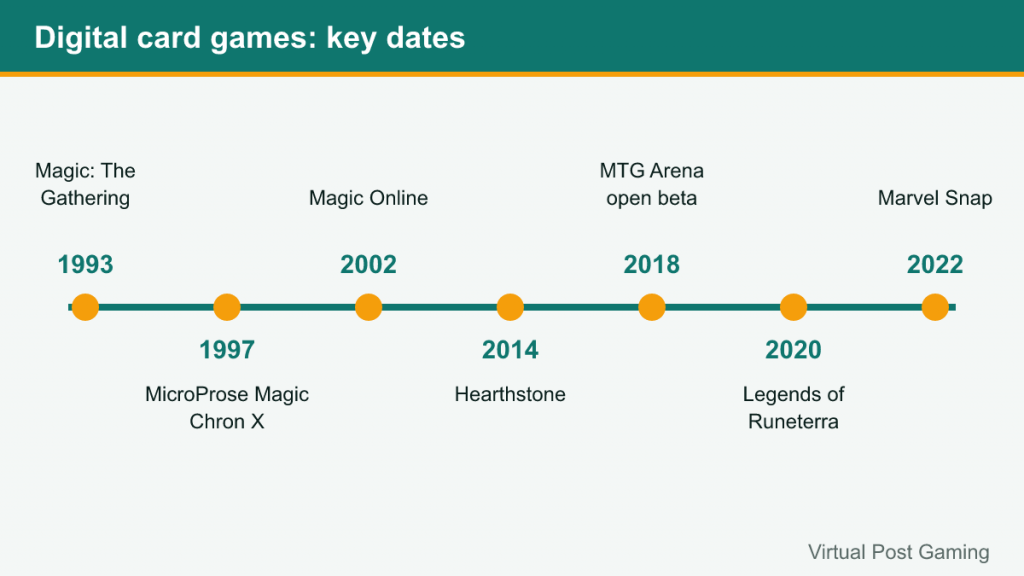
This history traces that journey from the first Magic: The Gathering computer games in the 1990s to the modern landscape of free-to-play card battlers and single-player roguelike deckbuilders. Dates are drawn from developer announcements and well-documented histories; commercial figures are left out because they are often unreliable or disputed.
The 1990s: Paper Games on a Screen
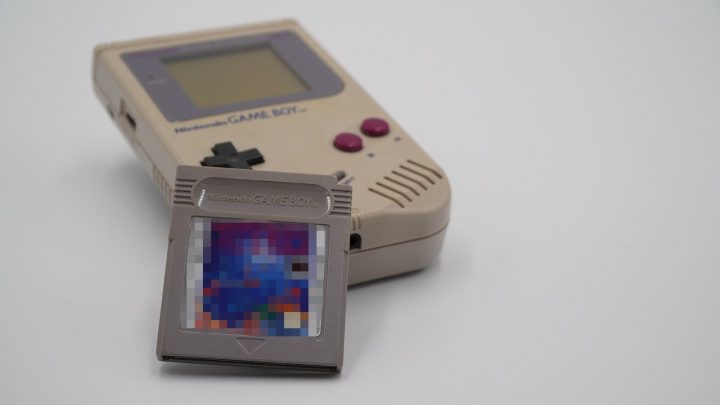
Magic: The Gathering, designed by Richard Garfield and released by Wizards of the Coast in 1993, created the collectible card game genre almost overnight. Video game adaptations followed quickly. In 1997, MicroProse released a PC game simply titled Magic: The Gathering, which combined card battles with an overworld adventure in which players traveled a fantasy map, fought opponents and built their collection. Players remember it today for its single-player campaign rather than its multiplayer.
The same period saw the first attempts at online collectible card games. Titles such as Chron X, released in 1997, experimented with selling digital cards and letting players trade and play over the internet. Around the end of the decade, licensed card games for handheld consoles brought the format to younger players, including adaptations of the Pokémon and Yu-Gi-Oh! card games.
These early games established a pattern that would last for years: digital versions were mostly companions to the physical product. The real card game lived on kitchen tables and in game stores; the computer version was a way to practice or play alone.
2002: Magic: The Gathering Online
The first major turning point came in June 2002, when Wizards of the Coast launched Magic: The Gathering Online, often called MTGO. Originally developed by Leaping Lizard Software, it was an attempt to reproduce the complete paper Magic experience online: digital boosters, a full card economy with trading between players, tournaments and drafts.
MTGO was groundbreaking because it treated digital cards as genuine collectibles that could be traded. It also pioneered the idea of running real competitive events online. Its interface, however, was built for dedicated Magic players and was often criticized as dated and unwelcoming. Development later moved in-house at Wizards, and in 2022 operations were transferred to Daybreak Games under a licensing deal, with Wizards remaining the publisher. As of 2026, MTGO is still running, which makes it one of the longest-lived online card games.
For most of the 2000s, MTGO stood almost alone as a serious digital card game. That changed when a major video game studio entered the field.
2014: Hearthstone Changes Everything
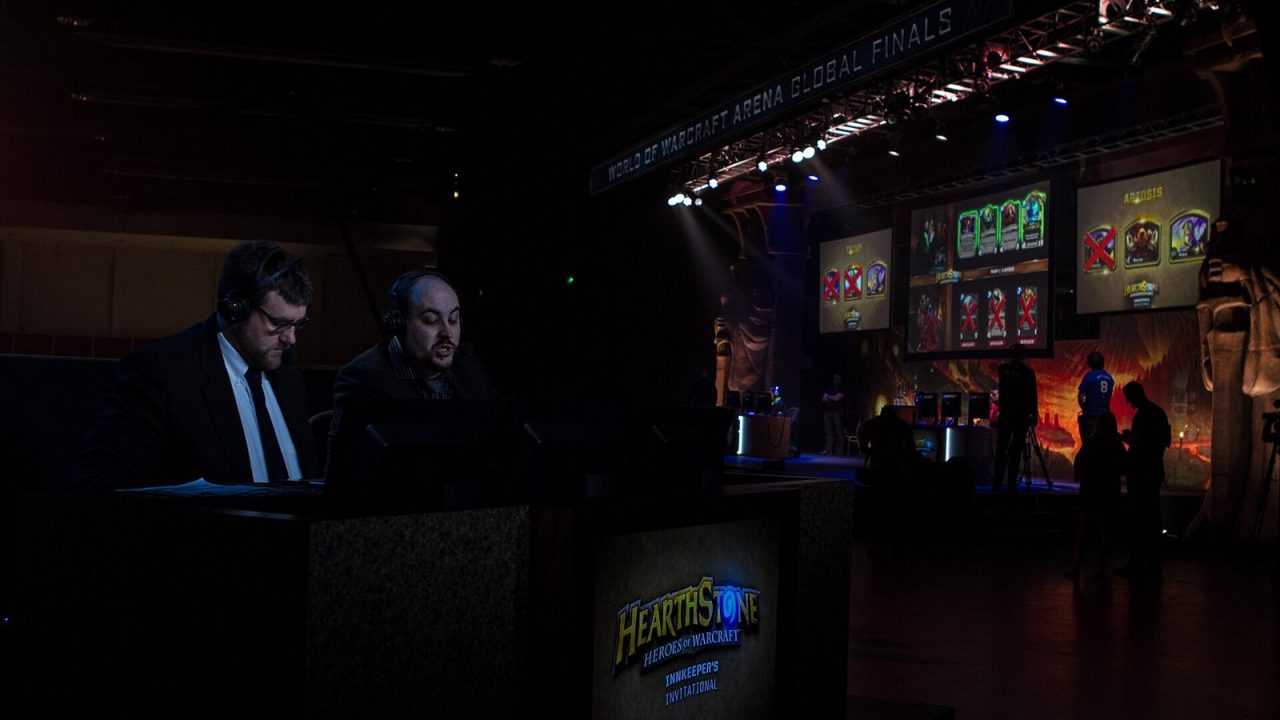
Blizzard Entertainment released Hearthstone for PC in March 2014, with tablet and phone versions following later. It was designed from the start as a digital game, not an adaptation of a paper one, and that freedom shaped every part of it.
Several design choices defined the new era:
- Automatic resources. Instead of playing land cards for mana, players gained a mana crystal each turn automatically. This removed the “mana screw” frustrations that new Magic players often faced.
- No instant-speed interaction. Players mostly acted only on their own turn, which made the game faster and easier to follow on a small screen.
- Digital-only effects. Cards could create random cards, transform others or generate effects that would be impractical with paper.
- Free-to-play access. The game was free to download, with cards earned through play or purchased.
Hearthstone’s success made it the template for a wave of competitors. Its rules are covered in our Hearthstone beginner’s guide, and many of its innovations are now taken for granted across the genre.
The Post-Hearthstone Wave
In the years after 2014, numerous studios launched their own digital card games, each trying a different twist.
Shadowverse
Released in 2016 by the Japanese studio Cygames, Shadowverse used a similar structure to Hearthstone, with an anime art style and an “evolve” mechanic that powered up followers. It found a large audience, especially in Asia.
The Elder Scrolls: Legends and Eternal
Other entries experimented with board structures and resources. The Elder Scrolls: Legends split the board into two lanes, while Eternal, developed by Dire Wolf Digital, blended Magic-style resources with digital conveniences.
Gwent
CD Projekt Red’s Gwent began as a popular minigame inside The Witcher 3: Wild Hunt in 2015. Fans asked for a standalone version, and Gwent: The Witcher Card Game entered public beta in 2017 and fully launched in October 2018. Its design was distinctive: matches were played over three rounds, and winning depended on managing card resources across all three rather than reducing an opponent’s health. In 2023 CD Projekt Red ended development of new content, and the game moved into a community-supported phase in which players vote on balance changes.
Artifact
Valve’s Artifact, designed with Magic creator Richard Garfield and set in the Dota 2 universe, launched in November 2018. Its complex three-lane structure and paid card model struggled to keep players. Valve attempted a rework, then halted development in March 2021 and made both versions free. Artifact is often cited as a lesson in how hard the genre can be even for experienced studios.
Magic Arena and Legends of Runeterra
By the late 2010s, Wizards of the Coast needed a modern, accessible Magic client. Magic: The Gathering Arena entered beta and reached open beta in September 2018, then fully launched on Windows in September 2019, followed by macOS in 2020 and mobile versions in 2021. Arena brought paper Magic’s rules, including the stack and instant-speed responses, into a polished interface that handles timing and triggers automatically. It also added a wildcard system for crafting cards and, later, digital-only formats with cards designed purely for the client.
Riot Games, developer of League of Legends, entered the genre with Legends of Runeterra, released in April 2020. Its most notable innovation was an alternating attack token system: players took turns being the attacker each round, and both players could respond during each other’s actions, giving the game a back-and-forth rhythm. Runeterra also gained praise for a generous approach to card collection.
In 2021 Riot added Path of Champions, a single-player and co-op roguelike mode where players progressed champions through a series of encounters. After layoffs at Riot in January 2024, the Runeterra team said that its development focus would shift toward Path of Champions, reflecting how much players had embraced the mode.
2022: Marvel Snap and the Short Game
In October 2022, Second Dinner, a studio founded by former Hearthstone developers, launched Marvel Snap on phones and PC. It was originally published by Nuverse; in January 2025 Second Dinner announced a move away from that arrangement, with a new publishing partner and more publishing work brought in-house.
Marvel Snap rethought what a card game session could be. Decks have only twelve cards, matches last six turns and players compete over three randomly revealed locations rather than a single board. Both players play cards simultaneously, and a ranking mechanic lets a confident player raise the stakes of a match in in-game ranked cubes. The result is a game that can be played in a few minutes, well suited to short sessions. Our Marvel Snap explainer covers how a match works in detail.
The same year, Konami released Yu-Gi-Oh! Master Duel in January 2022, a faithful digital version of the full Yu-Gi-Oh! rules that showed there was still a strong appetite for complex paper-style card games on modern platforms.
The Deckbuilder Boom
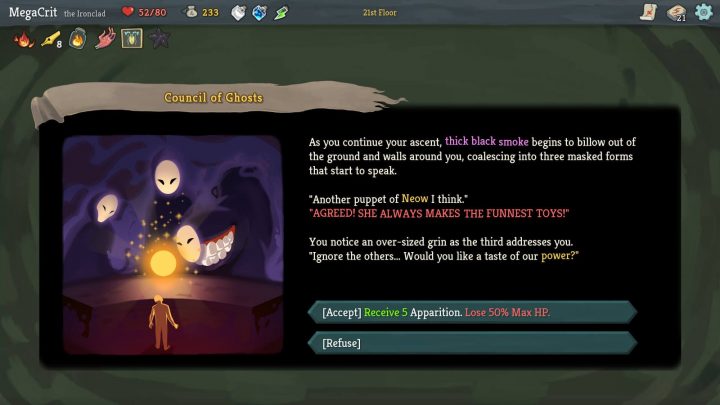
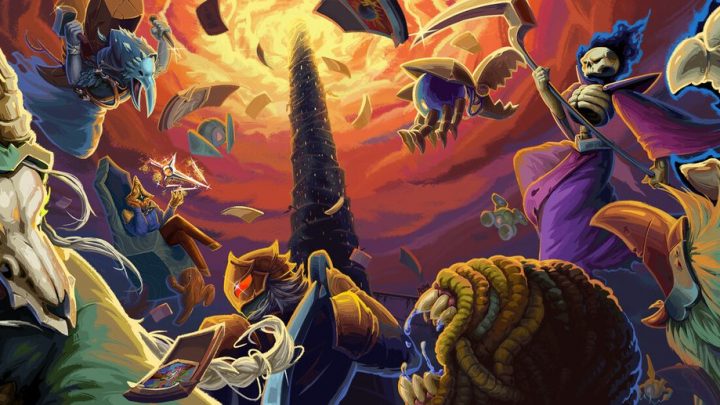
While competitive card games dominated headlines, a quieter revolution was happening in single-player games. Slay the Spire, from the independent studio Mega Crit, entered early access in 2017 and fully released in January 2019. It combined deckbuilding during play, inspired by tabletop games like Dominion, with roguelike runs where each attempt offers a different set of cards and relics.
Slay the Spire proved there was a large audience for card games without opponents, collections or purchases of cards. Many games followed, each exploring the formula in new directions. Balatro, released in February 2024, built an entire deckbuilder around poker hand rankings used purely as a scoring system, with no money involved. In March 2026, Slay the Spire 2 entered early access on Steam.
The deckbuilder boom changed what “digital card game” means to many players. For some, it now describes a single-player puzzle about building an engine within one run, rather than an online collectible game.
What Digital Changed About Card Games
Looking back across these decades, a few shifts stand out:
| Shift | What it replaced | Typical example |
|---|---|---|
| Automatic resources | Resource cards that could flood or fail | Hearthstone’s mana crystals |
| Digital-only effects | Effects limited to what paper could track | Random card generation, card transformation |
| Shorter matches | Long games with multiple rounds | Marvel Snap’s six turns |
| Rebalancing | Bans as the only way to fix a card | Digital card adjustments in many games |
| Single-player structures | Mostly head-to-head competition | Roguelike deckbuilders, PvE modes |
Digital tools also made the rules easier to learn. A game that automatically resolves every trigger and highlights legal plays is far less intimidating than a rulebook, which helped bring card games to many players who would never have visited a game store.
Looking Ahead
The genre’s history suggests a few durable truths. New games need a distinctive hook rather than another variation on the same formula, as Gwent, Runeterra and Marvel Snap each demonstrated. Long-running services depend on steady content and balance, as both Artifact’s decline and MTGO’s longevity show. And the single-player deckbuilder has become a genre of its own, distinct from collectible competitive games. For a deeper look at that branch, our explainer on what a deckbuilder is covers its origins.