Deckbuilders
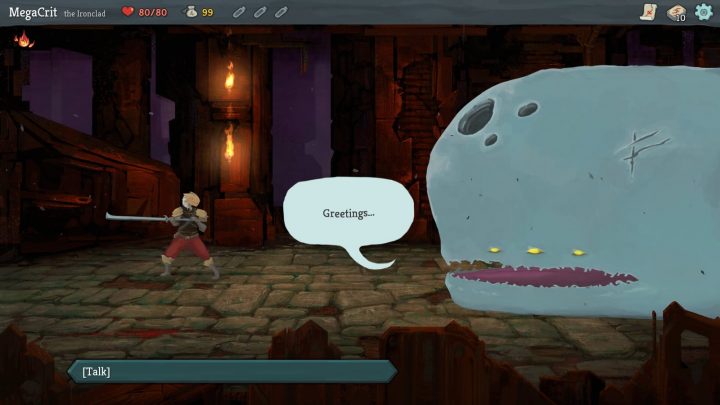
Slay the Spire Ascension Levels Explained: What Each Step Adds
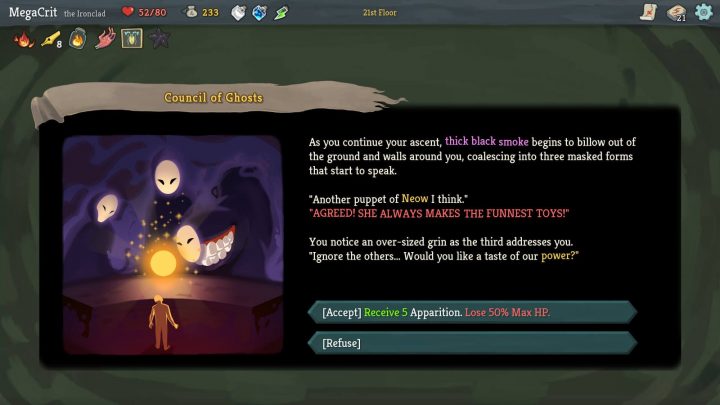
Every Slay the Spire Ascension level from 1 to 20 explained, how to unlock them, and how to adjust your strategy as elites, healing and bosses get harder.
Every Slay the Spire Ascension level from 1 to 20 explained, how to unlock them, and how to adjust your strategy as elites, healing and bosses get harder.
Slay the Spire 2 as of 2026: the early access launch, the five characters including Necrobinder and Regent, four-player co-op, the Godot engine and what changed.
How digital card games evolved from 1990s Magic PC games and Magic Online through Hearthstone, Gwent, Runeterra, MTG Arena, Marvel Snap and the deckbuilder boom.
Practical problem-solving techniques for puzzle games: map the rules, work backwards, isolate the constraint, test small ideas, take breaks and use hints well.
Transferable drafting principles for roguelike deckbuilders: deck size, card removal, skipping rewards, scaling vs frontloaded damage, defense and engines.
The three ideas behind almost every card game decision: mana curve, card advantage and tempo, with worked examples from Magic and Hearthstone.
What Tabletop Simulator is, how hosting and Workshop mods work, official DLC, Lua scripting basics, the 2.0 roadmap as of 2026, and respecting publishers' rights.
How Board Game Arena works: free and premium access, real-time vs turn-based tables, Elo and Arena mode, licensed games, tutorials and table etiquette.
Well-regarded official board game adaptations grouped by weight and player count, plus the criteria that separate a great digital port from a weak one.
A field guide to puzzle game subgenres, from falling blocks and match-3 to logic grids, box-pushing, physics, spatial, programming and rule-breaking puzzles.