The European Union has announced new sanctions targeting Russian IT giant VK and its associated companies, marking a significant escalation in the ongoing economic pressure campaign against Russia’s technology sector. These restrictions are expected to create substantial challenges for the international partners of the IT holding, potentially disrupting business relationships and forcing companies worldwide to reassess their collaborations with Russian digital platforms. The move represents one of the most direct strikes against Russia’s civilian technology infrastructure since the beginning of comprehensive Western sanctions in 2022.
Understanding the Scope of New Restrictions
The sanctions package specifically targets VK Group, one of Russia’s largest technology conglomerates, which operates the country’s most popular social network VKontakte, along with numerous other digital services including email platforms, cloud storage, and content streaming. The restrictions are designed to isolate the company from international financial systems and technology partnerships, effectively cutting off access to Western markets and suppliers. Under the new measures, European companies are prohibited from engaging in business transactions with the sanctioned entities, while financial institutions must freeze any assets connected to these organizations within EU jurisdiction.
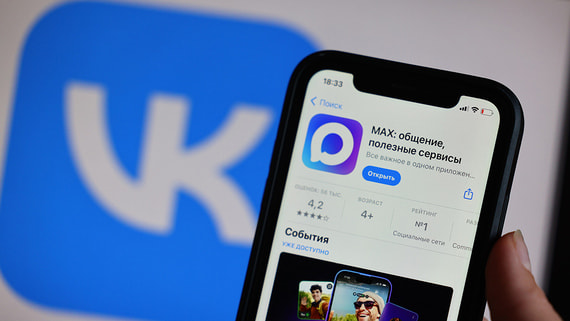
Max, another entity caught in the sanctions net, faces similar restrictions that will impact its ability to maintain international operations and partnerships. The European authorities have cited concerns about the potential use of these platforms for propaganda purposes and their connections to Russian government interests as primary justifications for the measures. Intelligence assessments suggest that Russian social media platforms have played significant roles in information operations, making them strategic targets for Western policymakers seeking to limit Russia’s digital influence capabilities.
Economic Implications for Global Partners
The ripple effects of these sanctions extend far beyond Russian borders, creating immediate complications for international technology companies, advertisers, and content providers who have maintained business relationships with VK’s ecosystem. Foreign partners now face difficult decisions: continue operations and risk secondary sanctions, or withdraw from potentially lucrative markets and established business arrangements. Industry analysts estimate that dozens of international companies across advertising, gaming, and content licensing sectors could be affected by the new restrictions.
Historically, VK has maintained partnerships with various international firms for advertising technology, content distribution, and software development. These relationships have provided revenue streams for both sides while allowing VK to access technological innovations developed abroad. The sanctions effectively sever these connections, forcing VK to accelerate its pivot toward domestic solutions and partnerships with countries outside the Western sanctions regime. China, India, and several Middle Eastern nations may emerge as alternative partners, though replacing Western technology and expertise will prove challenging in the short term.
Historical Context and Strategic Significance
This latest round of sanctions builds upon years of increasing Western pressure on Russia’s technology sector. Since 2014, following the annexation of Crimea, Russian technology companies have faced growing isolation from global markets. The comprehensive sanctions implemented after February 2022 dramatically accelerated this trend, targeting everything from semiconductor imports to software licensing. The technology sector has become a key battleground in the broader economic conflict, with Western nations seeking to limit Russia’s access to advanced capabilities while Russia works to develop domestic alternatives.
VK’s journey reflects this broader transformation. Originally founded as VKontakte in 2006 by Pavel Durov, the company has undergone significant ownership changes that brought it closer to state interests. After Durov’s departure in 2014, the company came under control of entities with ties to the Kremlin, fundamentally altering its relationship with both Russian authorities and international partners. This evolution has made VK a natural target for sanctions aimed at applying pressure on Russia’s digital economy while limiting platforms that could serve state interests.
Looking ahead, the sanctions against VK and Max signal a continued hardening of positions between Russia and the West in the technology sphere. European officials have indicated that additional measures targeting Russian digital infrastructure remain under consideration, suggesting that the current restrictions represent just one phase of a longer-term strategy. For international businesses, the message is clear: maintaining ties to Russian technology platforms carries increasing risks, and companies must carefully evaluate their exposure to potential future sanctions expansion.
Expert Opinion: These sanctions represent a strategic pivot toward targeting Russia’s digital infrastructure rather than just traditional industrial sectors. The long-term impact will likely accelerate the fragmentation of the global internet into distinct spheres of influence, with Russian platforms increasingly integrating with Chinese and other non-Western digital ecosystems. Companies worldwide should prepare for a prolonged period of technology decoupling that will reshape international digital commerce for years to come.