
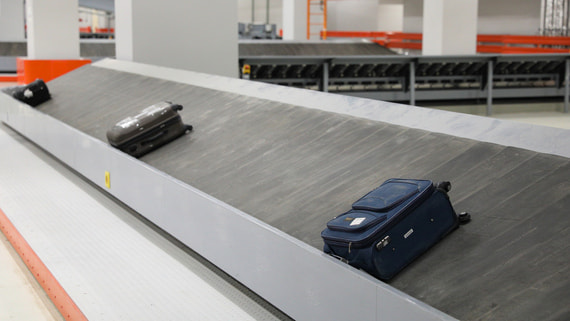
The aviation industry is on the cusp of a significant technological transformation as airports worldwide begin exploring the use of unmanned aerial vehicles for luggage transportation. This innovative approach promises to dramatically increase labor productivity and accelerate baggage processing times, addressing one of the most persistent challenges in modern air travel. As passenger numbers continue to grow globally, airports are increasingly turning to automation and cutting-edge technology to maintain efficient operations while reducing costs and human error.
The Growing Need for Automated Baggage Solutions
Airport baggage handling has long been a complex logistical challenge that directly impacts passenger satisfaction and airline operations. Traditional baggage systems rely heavily on conveyor belts, motorized carts, and human workers to transport millions of suitcases daily between check-in counters, aircraft, and arrival halls. However, these conventional methods often struggle to keep pace with the ever-increasing volume of air travelers. According to industry statistics, global air passenger traffic has been steadily climbing, with projections suggesting numbers could double within the next two decades. This explosive growth has pushed many airports to their operational limits, resulting in delayed flights, lost luggage, and frustrated travelers.
The introduction of drone technology into baggage handling operations represents a paradigm shift in how airports approach logistics. These unmanned aerial vehicles can navigate complex terminal environments, bypass ground-level congestion, and deliver luggage directly to designated loading areas with remarkable precision. Early pilot programs have demonstrated that drones can reduce baggage processing times by up to 30 percent compared to traditional methods. Furthermore, the technology operates continuously without fatigue, maintaining consistent performance levels throughout peak travel periods when human workers might be stretched thin.
Technical Implementation and Safety Considerations
Implementing drone-based baggage delivery systems requires sophisticated technological infrastructure and careful safety planning. Modern baggage drones are equipped with advanced sensors, GPS navigation, and artificial intelligence systems that allow them to operate autonomously within designated flight corridors. These aircraft must be capable of carrying loads typically ranging from 20 to 50 kilograms while maintaining stable flight characteristics in indoor and outdoor environments. Engineers have developed specialized gripping mechanisms and secure attachment systems to ensure luggage remains safely fastened during transit, even in challenging weather conditions or during emergency maneuvers.
Safety remains the paramount concern for aviation authorities evaluating drone integration into airport operations. Regulatory bodies are working closely with technology developers to establish comprehensive guidelines governing flight paths, altitude restrictions, and emergency protocols. The drones must be programmed to automatically avoid aircraft, ground vehicles, and personnel while navigating the busy airport environment. Additionally, redundant systems and fail-safe mechanisms ensure that any technical malfunction results in a controlled landing rather than a potential hazard. Several major international airports have already begun testing these systems in controlled environments, with promising results that suggest widespread adoption could begin within the next few years.
Economic Impact and Future Outlook
The economic implications of drone-based baggage handling extend far beyond simple efficiency gains. Airlines and airports stand to save substantial amounts on labor costs, equipment maintenance, and compensation claims for damaged or lost luggage. Industry analysts estimate that full implementation of automated baggage systems could reduce operational costs by 15 to 25 percent while simultaneously improving service quality. These savings could potentially be passed on to consumers through lower ticket prices or reinvested in other passenger experience improvements. The technology also addresses growing labor shortages in the aviation sector, where finding and retaining qualified ground handling staff has become increasingly difficult.
Looking ahead, the integration of drones into airport operations represents just one component of a broader trend toward aviation automation. Smart airports of the future will likely feature interconnected systems where drones, autonomous vehicles, and artificial intelligence work seamlessly together to manage everything from baggage handling to security screening. Several major hub airports in Asia, Europe, and North America have announced plans to invest billions in such modernization projects over the coming decade. As the technology matures and regulatory frameworks evolve, passengers can expect increasingly efficient and reliable baggage services that transform the air travel experience from check-in to baggage claim.
Expert Opinion: The adoption of drone technology for airport baggage handling marks a critical inflection point in aviation logistics, with early adopters likely gaining significant competitive advantages in passenger satisfaction and operational efficiency. Industry analysts predict that by 2030, at least 40 percent of major international airports will incorporate some form of autonomous aerial baggage transport into their operations. However, success will depend heavily on regulatory harmonization across jurisdictions and continued investment in fail-safe technologies to ensure seamless integration with existing airport infrastructure.