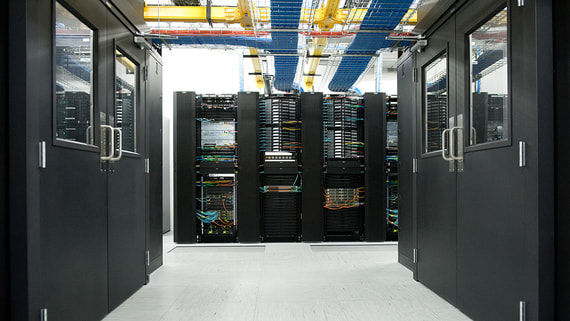
Major participants in Russia’s rapidly growing data center industry have formally complained to Moscow Region authorities about significant increases in land lease rates. According to industry experts, these escalating costs could substantially impact the pace of data center construction in one of Russia’s most strategically important regions for digital infrastructure development. The concerns highlight growing tensions between real estate economics and the nation’s ambitious digital transformation goals.
The Moscow Region has emerged as a critical hub for data center development in Russia, hosting numerous facilities that serve as the backbone of the country’s digital economy. With increasing demand for cloud services, data storage, and processing capabilities driven by both governmental digitalization initiatives and private sector growth, the region has seen a surge in planned data center projects. However, the sudden increase in land lease costs threatens to derail many of these initiatives at a time when digital infrastructure is considered a national priority.
Growing Financial Pressure on Infrastructure Development
The complaints filed with regional authorities underscore the significant financial pressures facing data center developers. Land lease costs represent a substantial portion of the overall investment required to build and operate these facilities, which already demand enormous capital outlays for specialized construction, power systems, cooling infrastructure, and security measures. A typical large-scale data center project can require investments ranging from hundreds of millions to several billion rubles, making any increase in baseline costs particularly impactful on project viability.
Industry analysts note that data centers operate on long-term business models, often requiring 10-15 years to achieve full return on investment. Unexpected increases in operational costs, such as land lease rates, can fundamentally alter project economics and force developers to reconsider their expansion plans. This is particularly concerning given that many international and domestic companies have been actively seeking to establish or expand their data center presence in the Moscow Region to serve Russia’s growing digital needs.
Strategic Implications for Digital Infrastructure
The situation carries broader implications for Russia’s digital infrastructure development strategy. The government has consistently emphasized the importance of expanding domestic data processing capabilities, particularly in light of data localization requirements that mandate certain types of information be stored within Russian territory. Data centers are essential for supporting everything from e-commerce platforms and financial services to government databases and telecommunications networks.
Historically, the Moscow Region has offered competitive advantages for data center development, including proximity to major population centers, established power grid connections, and access to skilled technical workforce. However, these advantages may be diminished if land costs continue to rise unchecked. Some industry participants have already begun exploring alternative locations in neighboring regions, though such moves would require additional infrastructure investments and could delay project timelines significantly.
Industry Response and Potential Solutions
Representatives from leading data center operators have called for dialogue with regional authorities to address the lease rate increases. Industry associations are advocating for special consideration given the strategic importance of digital infrastructure and the substantial investments these projects bring to local economies, including job creation, tax revenue, and development of supporting industries. Some experts have suggested implementing tiered lease structures or tax incentives specifically designed to support data center development.
The outcome of these negotiations could set important precedents for how regional governments balance revenue generation from land leases against the need to attract and retain strategically important infrastructure investments. As Russia continues to pursue digital sovereignty and technological self-sufficiency, the resolution of this dispute will likely influence investment decisions across the country’s growing data center sector for years to come.
Expert Opinion: The conflict between data center operators and Moscow Region authorities reflects a broader challenge facing Russia’s digital infrastructure ambitions. While regional governments naturally seek to maximize revenue from valuable land assets, short-term gains from increased lease rates may ultimately prove counterproductive if they drive strategic investments to other regions or delay critical infrastructure projects. A balanced approach that recognizes the multiplier effects of data center investments—including job creation, technology transfer, and ecosystem development—would better serve both regional and national interests in the long term.