In a significant development affecting millions of users, streaming service Max and Russian social network VK have been removed from the Google Play Store. Despite their disappearance from Google’s official Android marketplace, both services continue to operate normally, and users can still access updates through alternative application stores. This removal raises important questions about the evolving landscape of app distribution and the complex relationship between major tech platforms and content providers in different regions.
Details of the Removal and Immediate Impact
The removal of Max, the streaming platform owned by Warner Bros. Discovery, and VK, Russia’s largest social media network, from Google Play marks another chapter in the ongoing tensions between global tech giants and regional service providers. For Max users, this development comes at a time when the streaming service has been expanding its content library and competing aggressively with other platforms like Netflix, Disney+, and Amazon Prime Video. The service, which rebranded from HBO Max in 2023, offers a vast catalog including HBO original programming, Warner Bros. films, and Discovery content.
VK, formerly known as VKontakte, serves as the primary social media platform for Russian-speaking users worldwide, with features similar to Facebook including messaging, groups, and content sharing. The platform has over 100 million monthly active users and has become increasingly important as Western social media platforms have faced restrictions in Russia. The removal from Google Play potentially affects millions of users who rely on the official store for app updates and security patches.
Alternative Distribution Channels and User Options
Both companies have emphasized that their services remain fully operational despite the Google Play removal. Users can continue accessing Max and VK through several alternative channels. For Android users, direct APK downloads from official company websites provide one solution, though this method requires users to enable installation from unknown sources in their device settings. Third-party app stores such as APKPure, Aptoide, and the Amazon Appstore offer additional distribution options with varying levels of security verification.
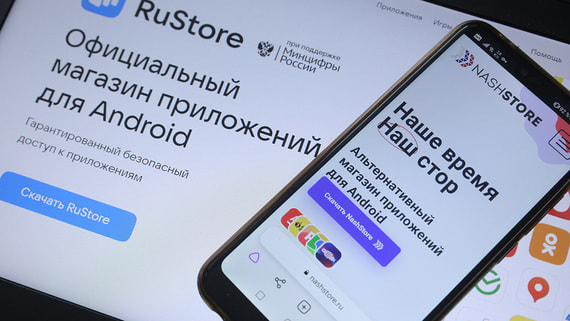
For VK specifically, the RuStore platform, Russia’s domestically developed alternative to Google Play, has become an increasingly important distribution channel. Launched in 2022 with support from the Russian government, RuStore was designed precisely for situations where international app stores might become unavailable or unreliable for Russian services. This development validates the strategic importance of maintaining alternative app distribution infrastructure, a lesson that other countries and companies are beginning to take seriously.
Broader Context and Industry Implications
The removal of these applications reflects broader geopolitical and business tensions that have increasingly affected the technology sector. Google’s app store policies have become more stringent in recent years, with the company citing various reasons for app removals including policy violations, payment system disputes, and compliance with international sanctions. The situation also highlights the significant power that platform owners wield over the digital ecosystem, as removal from major app stores can severely impact a service’s ability to acquire new users and maintain existing ones.
Industry analysts note that this situation may accelerate the trend toward alternative app distribution methods. Apple and Google’s duopoly on mobile app distribution has faced growing criticism from regulators worldwide, with the European Union’s Digital Markets Act now requiring these companies to allow alternative app stores on their platforms. The Max and VK removals serve as a practical demonstration of why such regulatory interventions have gained support among policymakers and technology companies alike.
What Users Should Do Now
For existing users of Max and VK, the most important point is that the services themselves continue to function normally. Those who already have the apps installed can continue using them, though they may need to seek updates through alternative channels. New users or those who need to reinstall the applications should visit the official websites of these services for guidance on downloading and installing the apps safely. Security experts recommend only downloading applications from official sources or well-established alternative stores to minimize the risk of installing compromised versions that could contain malware or other security threats.
Expert Opinion: This situation represents a growing trend where geopolitical considerations increasingly intersect with digital platform governance. We can expect to see more regional app stores gain prominence as countries and companies seek to reduce their dependence on American tech giants. The long-term implication may be a more fragmented but also more resilient global app distribution ecosystem, where no single platform holds absolute gatekeeping power over digital services.