Russia’s leading microelectronics manufacturer Element is set to establish a significant presence in Vietnam, focusing on personnel training and research activities in Hanoi. This strategic move marks an important step in the company’s international expansion efforts and represents a deepening of technological cooperation between Russia and Vietnam in the semiconductor industry. The agreement comes at a time when both countries are seeking to diversify their technological partnerships and reduce dependence on Western supply chains.
Element, which stands as Russia’s largest microelectronics holding company, has been actively seeking new markets and partnerships following increased Western sanctions on Russian technology sectors. Vietnam, with its rapidly growing technology industry and strategic location in Southeast Asia, presents an attractive opportunity for the Russian company to establish research capabilities and develop a skilled workforce that could support future manufacturing initiatives in the region.
Strategic Partnership in the Heart of Southeast Asia
The decision to establish operations in Hanoi reflects careful strategic planning on Element’s part. Vietnam has emerged as one of the fastest-growing technology hubs in Southeast Asia, with the government actively promoting the development of its semiconductor and electronics industries. The country has already attracted significant investment from major global technology companies, creating a robust ecosystem that Element can leverage for its research and training activities. Vietnam’s young, educated workforce and competitive labor costs make it an ideal location for companies looking to build technical capabilities in the region.
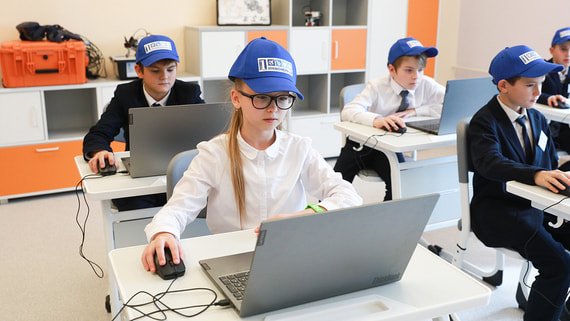
The partnership between Element and Vietnamese institutions is expected to focus initially on training programs designed to develop local expertise in microelectronics design and manufacturing. This approach aligns with Vietnam’s national strategy to move up the technology value chain and reduce its reliance on low-value assembly operations. By investing in human capital development, Element is positioning itself as a long-term partner in Vietnam’s technological advancement rather than simply seeking short-term market access.
Research and Development Initiatives
Beyond personnel training, Element’s Vietnamese operations will include substantial research activities. The company plans to establish collaborative research programs with local universities and research institutions, focusing on areas such as integrated circuit design, semiconductor materials, and electronic component testing. These initiatives could lead to the development of new products and technologies specifically tailored for the Southeast Asian market, where demand for electronic components continues to grow rapidly across sectors including telecommunications, automotive, and consumer electronics.
The research collaboration represents a mutually beneficial arrangement for both parties. Vietnamese institutions gain access to Element’s expertise and potentially proprietary technologies, while the Russian company benefits from access to talented researchers and a more diversified research base. This type of international scientific cooperation has historically proven valuable for accelerating technological development and creating competitive advantages in the global marketplace.
Geopolitical Context and Future Implications
Element’s expansion into Vietnam must be understood within the broader context of shifting global technology supply chains. As geopolitical tensions reshape international trade relationships, companies from various countries are seeking to establish new partnerships and reduce their exposure to potential disruptions. For Russia, developing stronger ties with Asian markets has become increasingly important, while Vietnam has pursued a balanced foreign policy that maintains relationships with multiple global powers.
The success of Element’s Vietnamese venture could pave the way for additional Russian technology companies to explore opportunities in Southeast Asia. Industry analysts suggest that this initial focus on training and research could eventually evolve into more substantial manufacturing partnerships, particularly if the collaboration proves successful in developing local capabilities. Vietnam’s government has indicated strong support for expanding its semiconductor industry, with ambitious targets for the sector’s growth over the coming decade that could benefit from partnerships with established international players like Element.
Expert Opinion: This expansion signals a significant shift in Russia’s technology sector strategy, pivoting toward Asian markets amid Western restrictions. If Element successfully establishes its training and research infrastructure in Vietnam, it could serve as a template for other Russian technology firms seeking international partnerships. The long-term success will depend on Element’s ability to offer genuine value to Vietnamese partners while navigating complex geopolitical dynamics that continue to reshape global technology supply chains.