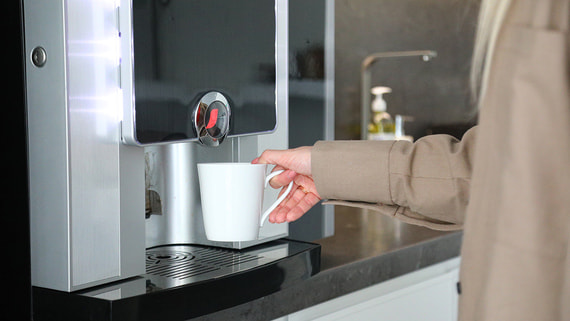
The Russian consumer electronics market is witnessing a significant shift in coffee consumption habits, with sales of advanced coffee machines featuring built-in milk frothers experiencing remarkable growth. This surge in demand has been primarily driven by the introduction of affordable Chinese-manufactured models that have made premium coffee-making technology accessible to a broader segment of the population. What was once considered a luxury appliance reserved for affluent households and commercial establishments has now become an attainable kitchen essential for middle-class Russian families.
The trend reflects a broader transformation in Russian coffee culture, which has evolved dramatically over the past two decades. While instant coffee dominated the market throughout the Soviet era and well into the 2000s, younger generations of Russians have developed more sophisticated tastes, influenced by the global coffee shop culture and the proliferation of international café chains in major cities like Moscow and St. Petersburg.
Chinese Manufacturers Disrupt the Premium Appliance Market
The influx of budget-friendly Chinese coffee machines has fundamentally altered the competitive landscape in Russia’s home appliance sector. Traditional European brands such as De’Longhi, Saeco, and Jura, which long dominated the premium segment with price tags often exceeding 50,000 rubles, now face serious competition from Chinese manufacturers offering comparable functionality at a fraction of the cost. Companies like Xiaomi, Midea, and numerous smaller Chinese brands have introduced automatic coffee machines with integrated cappuccino systems priced between 15,000 and 30,000 rubles, making them attractive options for cost-conscious consumers.
Industry analysts note that Chinese manufacturers have significantly improved their product quality in recent years, incorporating features previously found only in high-end European models. These include automatic milk frothing systems, programmable brewing settings, ceramic grinders, and smartphone connectivity. The combination of competitive pricing and improved quality has proven irresistible to Russian consumers who are increasingly comfortable purchasing Chinese electronics following positive experiences with smartphones and other gadgets from the same manufacturers.
Economic Factors and Changing Consumer Behavior
The growing popularity of home coffee machines also reflects broader economic considerations affecting Russian households. With café prices for specialty coffee drinks ranging from 200 to 500 rubles per cup in major cities, consumers have begun calculating the long-term savings of preparing their favorite beverages at home. A household consuming two cappuccinos daily could potentially recover the cost of a mid-range coffee machine within just a few months, making the investment financially attractive despite the substantial upfront expenditure.
Furthermore, the work-from-home trend that accelerated during the pandemic years has persisted in many Russian companies, creating additional demand for quality home coffee equipment. Professionals who previously relied on office coffee machines or nearby cafés during their workday now seek to replicate that experience in their home offices. This behavioral shift has contributed to sustained growth in the coffee machine segment even as other discretionary spending categories have shown signs of weakness amid economic uncertainty.
Market Outlook and Industry Projections
Retail analysts project continued expansion in the Russian coffee machine market through 2025 and beyond, with automatic machines featuring milk systems expected to capture an increasingly larger share of total sales. The democratization of premium coffee technology, enabled by competitive Chinese manufacturing, appears likely to accelerate this trend. However, some industry observers caution that market saturation could eventually slow growth rates as penetration levels increase in urban areas.
The evolution of Russia’s coffee machine market mirrors similar developments observed in other emerging economies, where rising middle-class incomes and exposure to global lifestyle trends have fueled demand for premium household appliances. As Chinese manufacturers continue to refine their offerings and expand their distribution networks across Russia, traditional European brands may need to adjust their pricing strategies or emphasize their heritage and quality credentials to maintain market share in this increasingly competitive environment.
Expert Opinion: The rapid adoption of cappuccino machines in Russian households signals a permanent shift toward coffee connoisseurship that will likely survive any short-term economic fluctuations. Chinese manufacturers have effectively cracked the code of delivering aspirational products at accessible price points, and this model will continue reshaping consumer electronics categories across emerging markets. European premium brands must innovate on service, sustainability, and smart home integration rather than compete solely on price.