
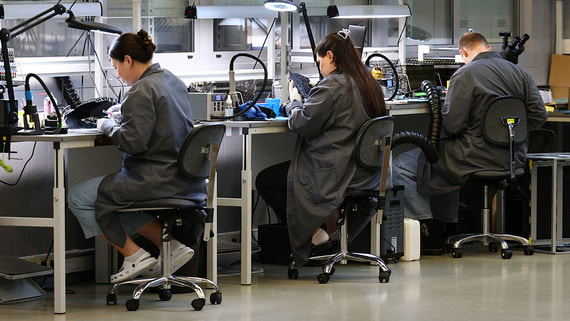
Russian authorities are preparing new measures aimed at restricting government agencies from purchasing foreign-made electronics by closing existing procurement loopholes. The primary focus is on eliminating practices where different types of equipment are bundled together in single procurement lots, a tactic that has effectively excluded domestic manufacturers from participating in government tenders. This initiative represents the latest step in Russia’s ongoing effort to achieve technological sovereignty and reduce dependence on foreign technology suppliers amid international sanctions and geopolitical tensions.
The practice of combining various equipment categories into unified procurement packages has long been criticized by Russian electronics manufacturers. When government customers bundle servers with networking equipment, computers with peripherals, or different classes of devices into single contracts, domestic producers who may excel in one category but not others find themselves unable to compete. This bundling essentially creates artificial barriers that favor large foreign suppliers capable of providing comprehensive equipment packages, while smaller Russian companies specializing in specific product lines are pushed out of the market.
Background on Import Substitution Efforts
Russia’s drive toward import substitution in the electronics sector has accelerated significantly since 2014, when Western sanctions first began targeting the country’s technology access. The effort intensified dramatically following the events of 2022, when expanded sanctions cut off access to many Western semiconductors, computing equipment, and electronic components. The Russian government has since invested billions of rubles into developing domestic alternatives, establishing special economic zones for electronics manufacturing, and creating preferential procurement policies for Russian-made products.
Despite these efforts, implementation has faced numerous challenges. Government agencies have found various ways to continue purchasing foreign equipment, often citing superior specifications, immediate availability, or compatibility requirements. The bundling of different equipment types in procurement lots has emerged as one of the most common methods for circumventing domestic preference requirements. By structuring tenders to require capabilities that only foreign manufacturers can provide across all categories simultaneously, purchasing officials have effectively maintained access to imported electronics while technically complying with procurement regulations.
Industry Response and Expert Analysis
Representatives of Russia’s domestic electronics industry have long advocated for stricter procurement rules. Industry associations have argued that without meaningful protection in the government procurement market, Russian manufacturers cannot achieve the economies of scale necessary to become truly competitive. Government contracts represent a crucial source of stable demand that could help domestic producers invest in research, development, and manufacturing capacity expansion. The proposed changes would require government customers to break down their procurement needs into separate lots by equipment category, allowing Russian manufacturers to compete in areas where they have viable products.
However, some analysts express concerns about potential drawbacks. Fragmenting large procurement contracts into smaller, category-specific lots could increase administrative complexity and procurement costs. There are also questions about system integration and compatibility when equipment from multiple vendors must work together. Critics argue that overly restrictive procurement rules might ultimately harm government efficiency and increase costs for taxpayers, particularly in cases where domestic alternatives genuinely cannot match foreign products in quality or capability.
Future Implications for Technology Independence
The proposed measures reflect Russia’s broader strategic goal of achieving technological independence in critical sectors. Electronics and computing equipment are considered essential for national security, government operations, and economic development. By ensuring that domestic manufacturers have fair access to government contracts, authorities hope to create conditions for the growth of a self-sufficient technology industry capable of meeting the country’s needs without relying on potentially unreliable foreign suppliers. The success of these efforts will likely depend not only on procurement policy changes but also on continued investment in domestic research and development, workforce training, and manufacturing infrastructure. As implementation details emerge, both government agencies and industry stakeholders will be watching closely to assess the practical impact on Russia’s technology landscape.
Expert Opinion: The closure of procurement loopholes represents a necessary but insufficient step toward genuine technological independence. While these measures will provide immediate relief to domestic manufacturers, long-term success requires sustained investment in semiconductor manufacturing capabilities and human capital development. Expect continued tension between procurement efficiency goals and import substitution mandates as Russia navigates this complex transition.