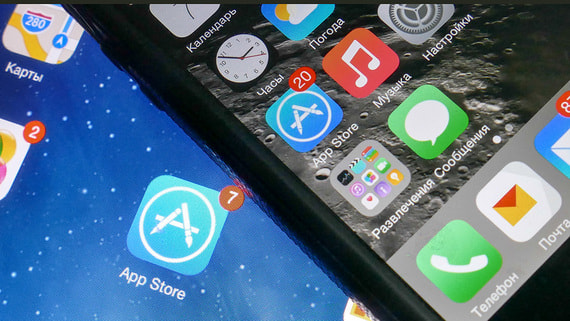
Apple finds itself at the center of a growing legal and regulatory storm in Russia as authorities consider imposing substantial penalties on the tech giant for removing domestic applications from its App Store. Legal experts are now discussing the possibility of fines reaching up to 15% of the company’s revenue in the country, a measure that could have significant financial implications for one of the world’s most valuable corporations. This development marks another chapter in the ongoing tension between major Western technology companies and Russian regulatory authorities.
The Regulatory Framework and Potential Consequences
Russian lawmakers have been developing increasingly stringent regulations targeting foreign technology companies operating within the country’s borders. The potential 15% revenue-based fine represents one of the most aggressive penalty structures being considered by authorities. Legal experts point out that such measures fall under broader legislation designed to protect domestic digital markets and ensure Russian consumers have access to locally developed applications. The framework follows a pattern seen in other jurisdictions where governments have sought to exert greater control over app store gatekeepers, though Russia’s approach carries distinctive geopolitical undertones that set it apart from regulatory actions in the European Union or other markets.
The removal of Russian applications from Apple’s platform has been attributed to various factors, including international sanctions, compliance with export controls, and Apple’s own corporate policies. However, Russian authorities view these removals as discriminatory actions that harm domestic developers and consumers alike. The situation has prompted calls for stronger enforcement mechanisms and has accelerated discussions about requiring foreign tech companies to maintain local subsidiaries that could be held directly accountable under Russian law.
Historical Context and Escalating Tensions
The current dispute exists within a broader context of deteriorating relations between Western technology firms and the Russian government that has intensified dramatically since 2022. Apple, along with other major tech companies including Google, Microsoft, and Meta, has faced increasing pressure from Russian regulators over issues ranging from data localization requirements to content moderation policies. The company previously suspended product sales in Russia and limited certain services, moves that Russian officials characterized as politically motivated rather than commercially justified. These actions have contributed to an environment where Russian authorities appear increasingly willing to impose substantial penalties on non-compliant foreign companies.
Industry analysts note that Russia has been developing its own digital ecosystem partly in response to actions by Western technology companies. The country has promoted domestic alternatives to popular applications and platforms, including payment systems, social networks, and productivity tools. The push for digital sovereignty has gained momentum as authorities seek to reduce dependence on foreign technology infrastructure. This strategic shift provides additional context for the aggressive stance being taken against Apple and other foreign app store operators who remove Russian-developed applications from their platforms.
Implications for the Global Technology Sector
The potential penalties facing Apple could establish precedents affecting how technology companies navigate increasingly fragmented global regulatory landscapes. Legal experts suggest that a 15% revenue-based fine, if implemented, would represent one of the largest percentage penalties ever levied against a major technology platform for app store-related violations. While the actual revenue subject to such calculations would depend on how Russian authorities define Apple’s in-country operations, even conservative estimates suggest potentially substantial sums. The situation highlights the challenges multinational technology companies face when operating across jurisdictions with divergent, and sometimes conflicting, regulatory requirements and geopolitical interests.
For Apple specifically, the Russian market, while not among the company’s largest revenue sources, represents part of a broader global footprint that the company has historically sought to maintain. The potential penalties add another dimension to the complex calculations technology executives must make when balancing compliance with various national regulations against corporate policies, international sanctions requirements, and shareholder expectations. As similar regulatory challenges emerge in other markets, the outcome of this dispute could influence how companies approach app store governance and their relationships with national governments worldwide. The technology industry will be watching closely to see how this situation develops and what precedents might be established for future regulatory conflicts.
Expert Opinion: The escalating regulatory pressure on Apple in Russia signals a broader global trend where governments are increasingly willing to impose revenue-based penalties to assert control over foreign technology platforms. Companies operating internationally should expect similar sovereignty-focused regulations to emerge in other markets, making compliance strategy and geopolitical risk assessment essential components of global business planning. The outcome of this case could reshape how tech giants negotiate with national authorities and structure their operations in politically sensitive markets.