What Is a Deckbuilder? The Genre Explained from Dominion to Slay the Spire
Deckbuilding means growing your deck while you play. Here is how the genre works, where it came from, and how Dominion led to Slay the Spire and Balatro.
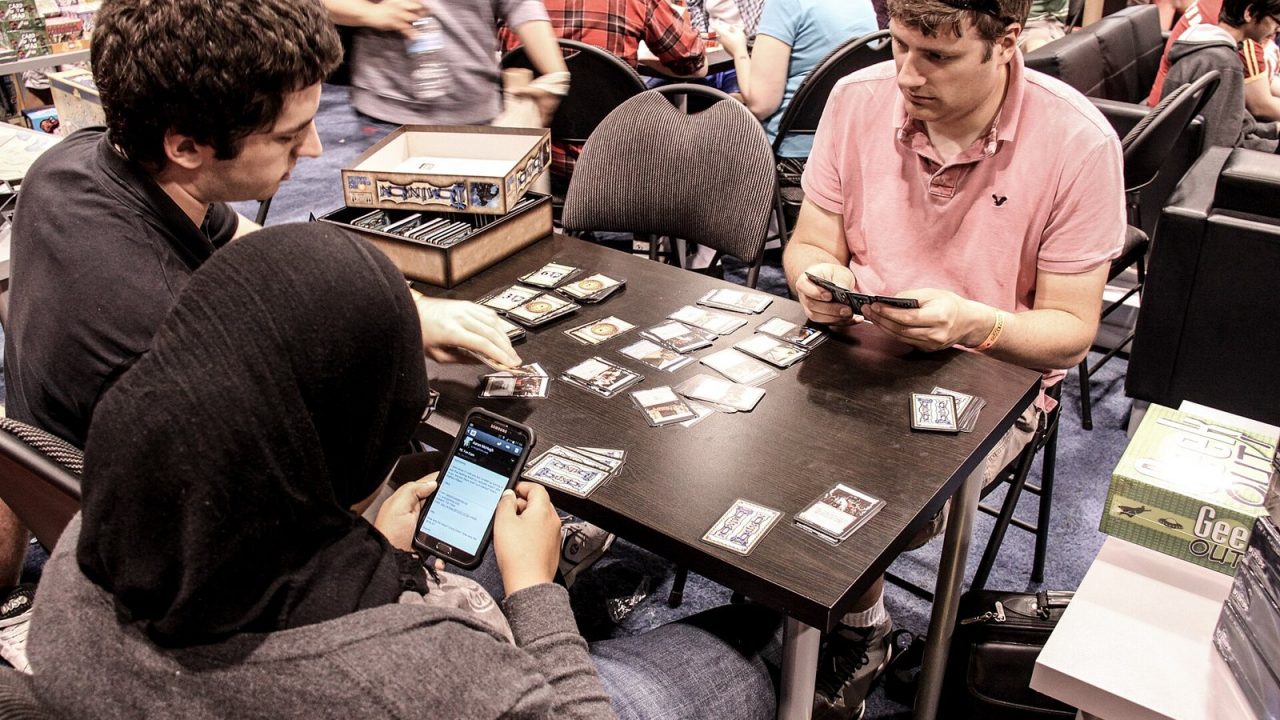
“Deckbuilder” is a word that gets used loosely. Some players apply it to any card game where you choose your cards. Others mean a specific family of games that started on the tabletop in 2008 and exploded on PC a decade later. This guide explains what the term means, how the core loop works, and how the genre grew from a German-style board game into a major digital format.
Deckbuilding as a Mechanic: Building During Play
The cleanest definition: in a deckbuilder, constructing your deck is part of the game itself. Everyone starts with a small, weak deck, and over one session you add, remove and upgrade cards. By the end, your deck looks completely different, and your choices about what to add and what to leave out largely decide whether you won.
Compare that to a collectible card game such as Magic: The Gathering or Hearthstone. There you build a deck before the match, usually from a collection assembled over weeks or months. Once the game starts, your deck is fixed.
That difference matters:
- Everyone starts on equal footing. There is no collection to grind. The game supplies the cards you can acquire, so skill in choosing them separates players.
- Deck construction becomes a moment-to-moment skill. Instead of following a decklist, you react to what is available, what you already have and what problems you face.
- Every session tells a story. Because decks evolve, two plays of the same game can feel very different, which gives deckbuilders a lot of replay value.
Drafting or “limited” formats in collectible games are close relatives, but the deck is usually locked before matches begin. In a true deckbuilder, the building never stops.
The Core Loop: Draw, Play, Acquire, Shuffle
Almost every deckbuilder, cardboard or digital, shares the same rhythm.
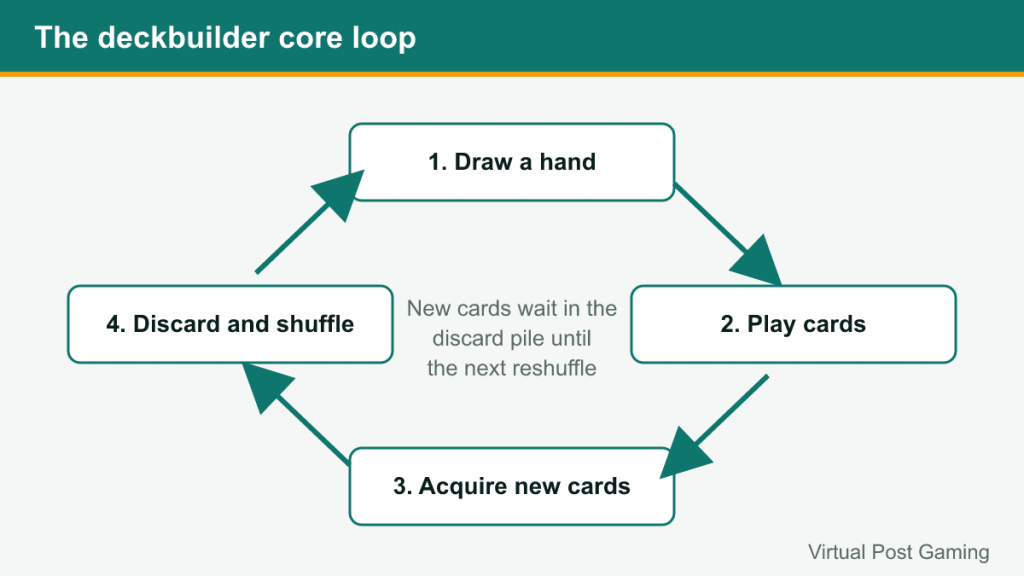
- Draw a hand. At the start of a turn you draw a set number of cards from your personal deck.
- Play cards. You use them for their effects: generating money or resources, dealing damage, gaining defense, drawing extra cards, and so on.
- Acquire new cards. You add something for this game, whether by buying from a shared market or choosing a reward after a fight.
- Discard and shuffle. Played and unplayed cards go to a discard pile. When your draw pile runs out, the discard pile is shuffled into a new deck, now including whatever you acquired.
The shuffle is where the magic happens. New cards wait in the discard pile until the next reshuffle. That delay creates the genre’s central tension: a powerful card is only useful if you draw it, and every extra card makes it slightly less likely you will see any particular card on a given turn.
Why “thinning” matters
Because of that tension, deckbuilders reward a counterintuitive idea: sometimes a smaller deck is a stronger deck. If your deck is ten cards and two are excellent, you see them constantly. In a deck of forty mediocre cards, the excellent ones get lost. Removing weak starting cards, often called deck thinning, is a skill that runs through almost every game in the genre.
Engines versus “big money”
Players also talk about two broad ways to build. An engine is a set of cards that work together to draw more cards, generate extra actions or multiply effects, so a single turn can chain into something huge. A simpler approach, called “big money” in tabletop circles, just buys the strongest economy or damage cards and avoids complicated combinations. Much of the strategy comes down to judging which approach the current game supports.
Where It Started: Dominion (2008)
Card games where your deck changes during play existed in scattered forms before, but the genre as we know it begins with Dominion, designed by Donald X. Vaccarino and published by Rio Grande Games in 2008. It debuted at the Spiel game fair in Essen and won the Spiel des Jahres, Germany’s most prestigious board game award, in 2009.
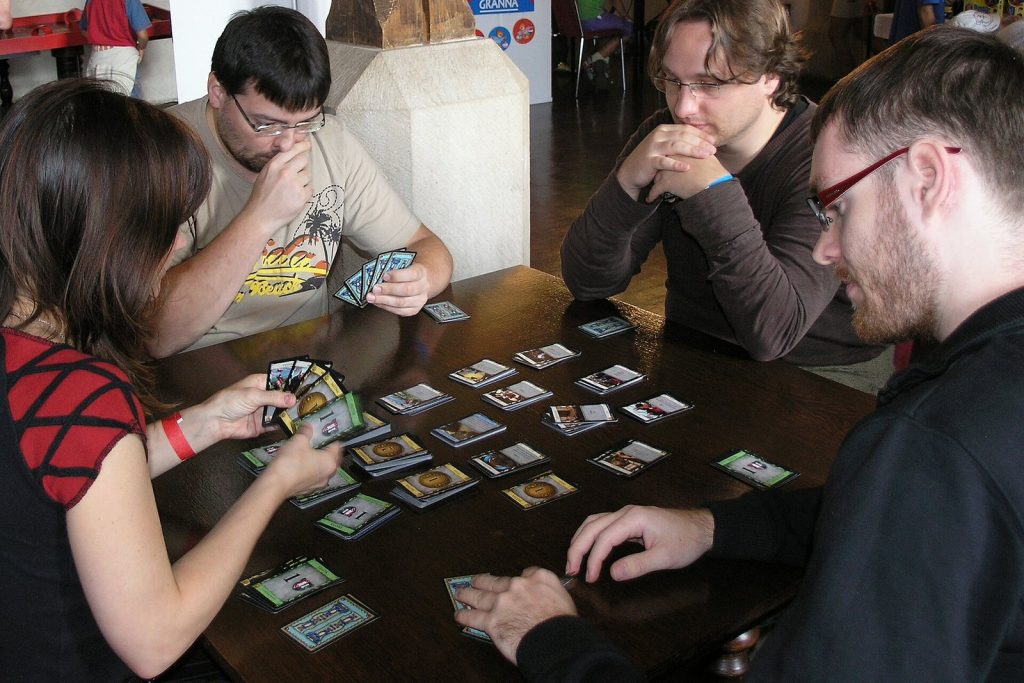
Each player starts with ten cards: seven Coppers (money) and three Estates (victory points that do nothing during play). You draw a hand of five. Each turn follows a pattern players often call “ABC”:
- Action phase: you may play one Action card by default, though many Actions give you additional actions.
- Buy phase: you play Treasure cards and buy one card by default from the supply.
- Clean-up phase: you discard everything and draw a fresh hand of five.
The supply contains basic Treasure and Victory cards plus ten “Kingdom” card piles chosen for that game. The base game included 25 Kingdom piles in its first edition and 26 in the second, so the market changes from game to game, and finding the strongest combination is the heart of the puzzle.
Dominion also introduced the genre’s most elegant trap. Victory cards are how you win, but they are dead weight in your deck. Buy them too early and your engine stalls; too late and an opponent who started “greening” sooner wins on points. That tension between building power and cashing it in has been borrowed by many deckbuilders since.
Dominion goes digital
A licensed browser version from Goko launched in 2013, followed by a version from Making Fun in 2015. Shuffle iT took over official online development at the start of 2017, and Temple Gates Games released a version for Windows, iOS and Android in early access in October 2021, notable for its neural-network AI opponents.
The Roguelike Branch: Slay the Spire
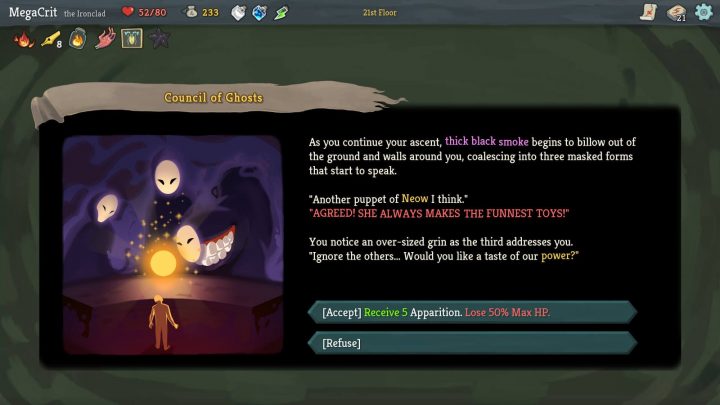
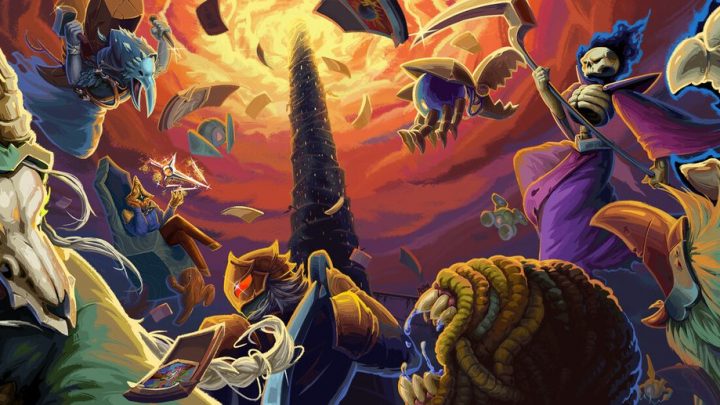
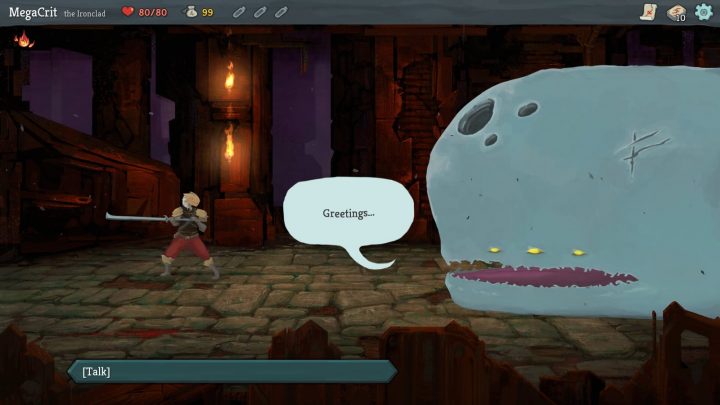
For most PC and console players, “deckbuilder” now means something slightly different: a single-player game where you fight battles with cards and build your deck across a run that ends when you die. This branch is the roguelike deckbuilder, and its defining game is Slay the Spire by Mega Crit.
Slay the Spire entered Steam Early Access in November 2017 and fully released on January 23, 2019, later arriving on PlayStation 4, Nintendo Switch, Xbox One and mobile. Its formula proved enormously influential:
- Combat instead of a market. You play Attack and Skill cards against monsters, using a pool of three energy per turn.
- Visible enemy intents. Enemies show what they plan to do next turn, so each fight becomes a readable puzzle about damage, block and timing.
- Rewards after combat. After most fights you choose one of three cards to add, or skip them all. Skipping is often correct, which is deck thinning in a new form.
- A branching map. You choose a path through regular fights, tougher elites, rest sites, shops, events and treasure, balancing risk against reward.
- Relics. Persistent items that modify the rules for the rest of the run, pushing you toward particular strategies.
- Permadeath and meta-difficulty. A run ends when you die. Winning unlocks Ascension levels, up to 20, each stacking an extra handicap.
The design keeps Dominion’s most interesting decision, what to add and what to leave out, while replacing the competitive economy with a self-contained adventure. It is also approachable: a run takes an hour or so, and every loss teaches you something about deck construction.
Mega Crit’s sequel, Slay the Spire 2, entered Steam Early Access in March 2026. We cover the original game’s run structure in our Slay the Spire beginner’s guide, and the sequel separately once its design settles.
The roguelike deckbuilder boom
After Slay the Spire, dozens of studios explored the template. Monster Train moved combat onto a vertical, three-floor battlefield where you defend a central pyre; others swapped cards for dice or added narrative choices. Most keep the core: a weak starting deck, runs, refusable rewards, and a final boss that tests your deck.
Hybrids: Balatro and the Scoring Deckbuilder
The genre’s most surprising recent hit is Balatro, developed by solo developer LocalThunk and published by Playstack on February 20, 2024. Balatro takes a standard 52-card deck and uses poker hands purely as a scoring system: you play pairs, flushes and straights to reach a target score each round. There is no betting, no opponent and no real money; it is a single-player puzzle about multiplying numbers.
Balatro fits the deckbuilder tradition in how you reshape your deck and rules during a run. You add, remove and modify playing cards using consumables, level up specific poker hands, and, most importantly, collect Jokers that change how scoring works. Building your cards and Jokers into an engine that multiplies its score each round is the whole game.
There are no monsters, no health and no attack cards, yet the core decisions are familiar: what to add, what to remove, and when to commit to a strategy. Our guide to how Balatro works covers its scoring in detail.
Common Misconceptions About the Genre
“A deckbuilder is any game where you build a deck”
Strictly speaking, no. Hearthstone, Magic: The Gathering Arena and Marvel Snap involve building decks, but they are collectible or constructed card games: the deck is assembled before play. The genre label usually refers to games where deck construction happens during the session.
“Bigger decks are better because you have more options”
This is the most common beginner mistake. More cards mean less consistency. In Dominion, buying a cheap card just because you can afford it often weakens your deck. In Slay the Spire, taking every card reward tends to bury your best cards.
“Roguelike deckbuilders are just luck”
Randomness is part of the experience, but the best players win far more often than beginners. Good drafting, careful sequencing within a turn and smart pathing on the map all reduce the impact of bad draws.
“Deckbuilders are action roguelikes with cards”
Most deckbuilders are turn-based and deliberately slow; you can usually take as long as you like to plan a turn. They reward thinking more than reflexes.
How to Tell Which Kind of Deckbuilder You Are Playing
A few quick questions help when you pick up a new game:
| Question | Tabletop-style (e.g. Dominion) | Roguelike (e.g. Slay the Spire) | Scoring hybrid (e.g. Balatro) |
|---|---|---|---|
| How do you get new cards? | Buy from a shared market | Choose rewards after fights, shops, events | Shops, packs and consumables between rounds |
| Who are you playing against? | Other players (or AI) | Scripted enemies and bosses | Score targets |
| How long does the deck last? | One game | One run | One run |
| How do you win? | Most victory points | Defeat the final boss | Beat the final required blind |
| Main strategic tension | Building engine vs. buying points | Power vs. consistency and survival | Building score multipliers vs. economy |
Knowing the family tells you what good play looks like before you read a card.
Why the Genre Endures
Deckbuilders combine the slow pleasure of assembling something with the sudden payoff when it works. A deck that started as ten nearly identical cards ends up as a machine you designed. Because the building happens fresh every game, there is no collection to maintain and no pressure to keep up with new releases.
The fundamentals also carry from one game to the next: keep your deck lean, recognise when a card does not fit, plan for both short-term survival and long-term scaling. Lessons learned in Dominion help in Slay the Spire, and again in Balatro, which is one reason players who discover one deckbuilder quickly go looking for the next.